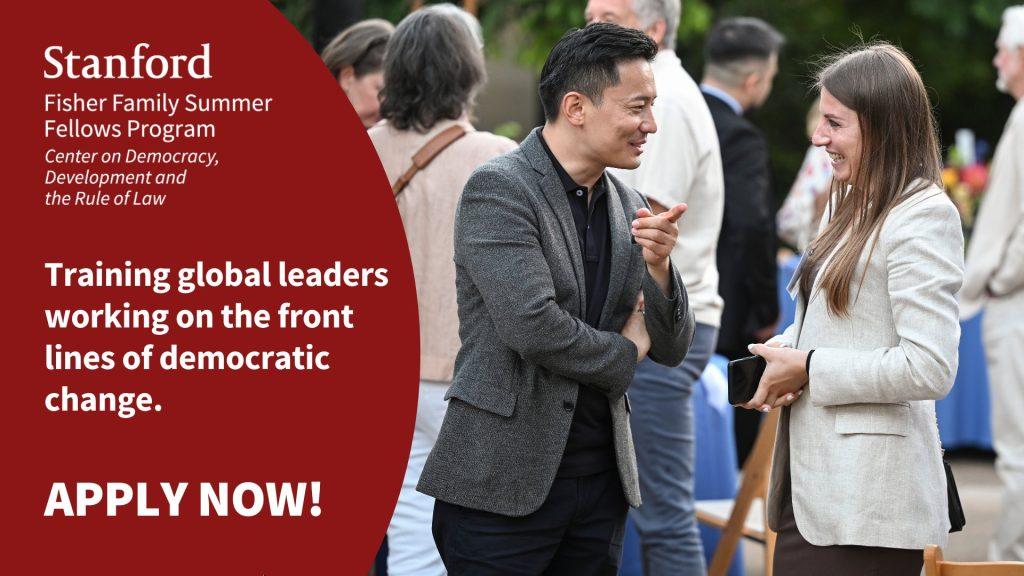
Stanford's Center on Democracy, Development and the Rule of Law runs this three-week summer programme, formerly the Draper Hills Summer Fellowship. It takes about 25–30 mid-career practitioners from countries where democracy is fragile, and starts in July 2027.
Applicants need 10–12 or more years of experience in democracy, development or rule-of-law work, must be at least 28 by July 2027, and must be from and living in an eligible country. Nigeria is eligible. Stanford covers accommodation, meals and local transport. Fellows usually pay their own airfare, and a small need-based travel fund is available.
How to apply: applications reopen in late October 2026 on Slideroom and are due on 12 January 2027. You need a CV, essays, a 2-minute video and two to three references.
Details checked against the official source on 10 Oct 2026. Always confirm dates and requirements on the official page before applying.
Yale's World Fellows Program is a four-month, full-time residential leadership fellowship at Yale University in New Haven, from mid-August to mid-December 2027. It is for people 5 to 25 years into their careers who have made a significant impact at regional, national or international level.
Any non-U.S. citizen fluent in English can apply, including Nigerians, and there is no age limit. Fellows get a living stipend, a furnished apartment, medical insurance and return travel, and pay no tuition.
How to apply: the online application needs a CV, a personal statement, a short video, three recommendation letters and a $20 fee. It closes on 2 December 2026 at 14:00 Eastern Time.
Details checked against the official source on 10 Oct 2026. Always confirm dates and requirements on the official page before applying.
The Swedish Institute Scholarship is a fully funded scholarship program offered by the Swedish government to outstanding international students who want to pursue a master's degree in Sweden. The scholarship is designed to develop future global leaders who can contribute to sustainable development and strengthen international cooperation.
The program supports highly qualified students from selected countries who demonstrate strong academic performance, leadership potential, and professional experience. Successful applicants receive financial support that covers tuition fees, living expenses, and other study-related costs while studying at top universities in Sweden.
The scholarship is highly competitive and attracts thousands of applicants each year. Candidates must first apply to an eligible master's program at a Swedish university before submitting a separate scholarship application. For students seeking a fully funded opportunity to study in Europe, the Swedish Institute Scholarship is one of the most prestigious options available.
Application Timeline
The Swedish Institute Scholarship follows a yearly application cycle. Exact dates may change, so always verify on the official portal.
| Stage | Time |
|---|---|
| University Application Period | 16 Oct 2025 – 15 Jan 2026 |
| Scholarship Application Opens | 9 Feb 2026 |
| Scholarship Deadline | 25 Feb 2026 (14:59 CET) |
| Admissions Announcement | 26 Mar 2026 |
| Scholarship Selection & Results | 23 Apr 2026 |
What the Scholarship Covers
The Swedish Institute Scholarship provides comprehensive financial support to help international students focus on their studies without financial stress.
Tuition Fees
The scholarship covers the full tuition fee for the selected master's program. The payment is made directly to the Swedish university.
Monthly Living Allowance
Recipients receive a monthly stipend to cover accommodation, food, transportation, and personal expenses while studying in Sweden.
Travel Grant
A one-time travel grant may be provided to help cover transportation costs to and from Sweden.
Insurance Coverage
Students are provided with insurance coverage during their studies.
Professional Development Opportunities
Scholars gain access to networking events, leadership training, and professional development activities organised by the Swedish Institute.
Who Can Apply (Eligibility Requirements)
Applicants must meet several eligibility criteria to be considered for the Swedish Institute Scholarship.
Typical requirements include:
Applicants must also meet the general admission requirements of the Swedish university they apply to.
Required Documents
Applicants are usually required to submit the following documents as part of the scholarship application:
Applicants should ensure that all documents are accurate and submitted before the application deadline.
Step-by-Step Application Process
- Check Eligibility: Ensure you meet nationality, academic, and work experience requirements.
- Apply to a Master’s Program: Submit your application via the Swedish university admission portal.
- Get an Application Number: You’ll receive this after applying, needed for the scholarship.
- Prepare Documents: Gather transcripts, CV, references, and work proof.
- Register on the Scholarship Portal: Create an account on the Swedish Institute platform.
- Complete the Application Form: Enter your personal, academic, and professional details.
- Upload Documents: Submit your CV, motivation letter, and other required files.
- Submit: Review carefully and submit before the deadline.
- Shortlisting: Applications are reviewed; shortlisted candidates may be contacted.
- Final Selection: Successful applicants are notified of their award.
Tips to Improve Your Chances
Because the scholarship is highly competitive, applicants should focus on presenting a strong and complete application.
Helpful tips include:
Common Mistakes to Avoid
Many applicants are unsuccessful because of common mistakes during the application process.
Avoid the following:
Ireland's public health service (HSE) recruits internationally for more than 800 job grades, including nurses, midwives, consultants and health and social care professionals. You must register with the relevant Irish regulator before you can practise. For nurses and midwives, that is NMBI.
Non-EEA hires in in-demand roles may qualify for a Critical Skills Employment Permit. It requires a job offer of at least two years, the fee is €1,000, and the minimum salary for listed roles is €40,904. The permit leads on to Stamp 4 residence, and spouses can work.
How to apply: sign up on HSE Career Hub for weekly job alerts and apply to the posts advertised there.
Details checked against the official source on 10 Oct 2026. Always confirm dates and requirements on the official page before applying.
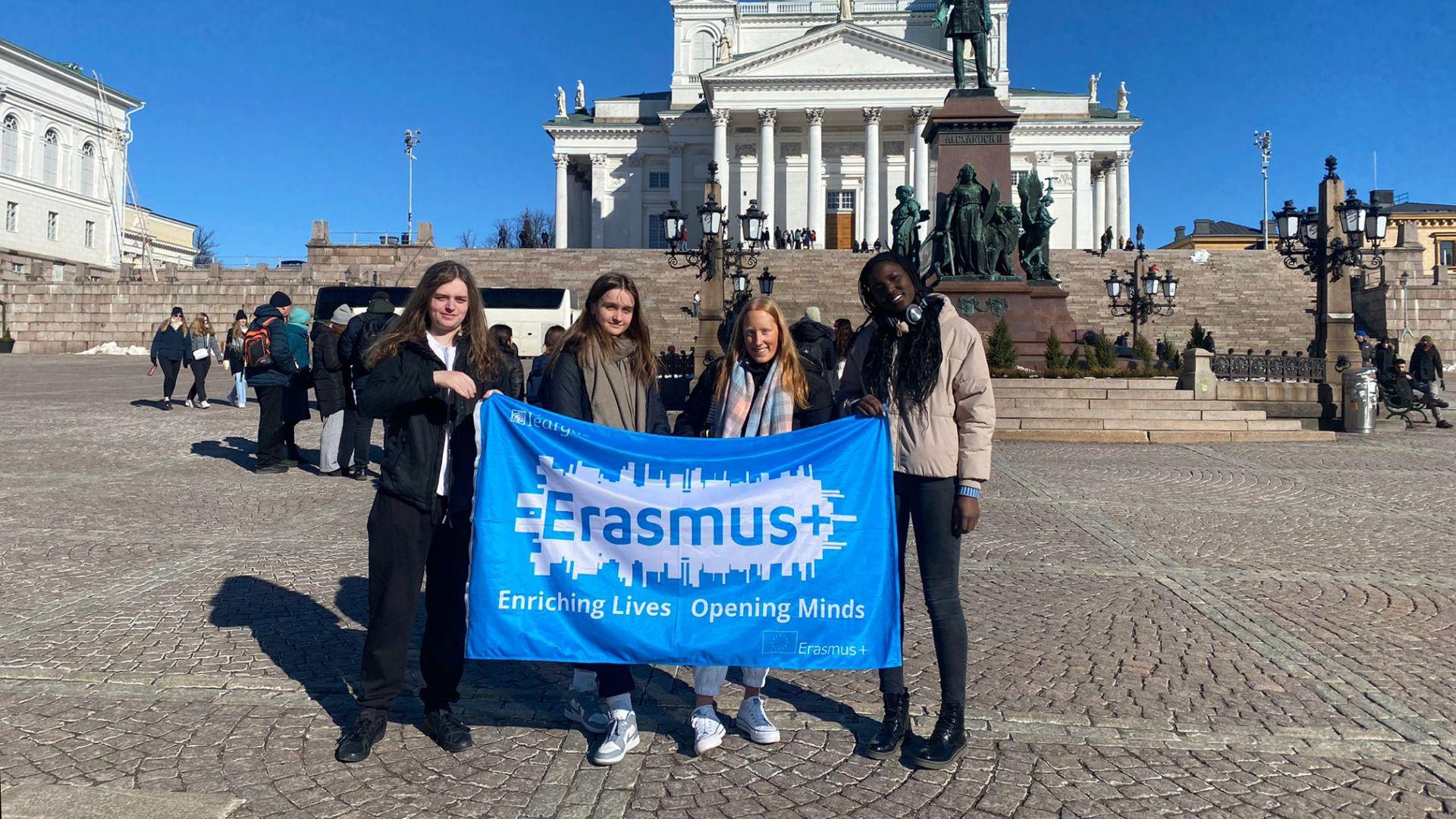
The Erasmus Mundus Scholarship is one of the most prestigious scholarships in Europe for international students pursuing a master’s degree. Funded by the European Union through the Erasmus+ program, it supports students from around the world to study in multiple European universities through joint master’s programs.
Unlike traditional scholarships that fund studies at a single university, Erasmus Mundus programs are delivered by consortiums of universities across different countries. Students typically study in two or more countries during their program, gaining international academic experience and exposure to diverse cultures.
The scholarship is fully funded and highly competitive. It usually covers tuition fees, travel expenses, health insurance, and a monthly living allowance. Erasmus Mundus graduates earn a joint or multiple degree and gain access to strong international career opportunities.
What the Scholarship Covers
The Erasmus Mundus Scholarship is fully funded and covers most costs related to studying in Europe.
Tuition Fees: Full tuition coverage for the joint master’s program.
Monthly Stipend: Living allowance to cover accommodation, food, and daily expenses.
Travel Costs: Travel allowance for international flights and mobility between host countries.
Insurance: Comprehensive health insurance during the program.
Mobility Benefits: Financial support for studying in multiple countries during the program.
Who Can Apply (Eligibility Requirements)
Applicants must meet the following general requirements.
Each Erasmus Mundus program may have additional eligibility requirements.
Required Documents
Applicants usually need to submit several documents during the application process.
- Passport: Proof of identity and nationality.
- Academic Transcripts: Official records of previous university studies.
- Degree Certificate: Proof of completed bachelor’s degree.
- CV / Resume: Academic and professional background.
- Motivation Letter: Explanation of why you want to join the program.
- Recommendation Letters: Academic or professional references.
- Language Test Results: Proof of English proficiency (IELTS, TOEFL, or equivalent).
Step-by-Step Application Process
Application Timeline
The Erasmus Mundus scholarship cycle usually follows this timeline.
| Stage | Time |
|---|---|
| Applications Open | October |
| Application Deadline | December - January |
| Application Review | January - March |
| Selection Results | March - April |
| Studies Begin | September |
Key Dates
Dates may vary depending on the specific program.
Tips to Improve Your Chances
Choose the Right Program
Select a program that aligns closely with your academic background and career goals.Write a Strong Motivation Letter
Explain clearly why you want to join the program and how it supports your career plans.Highlight International Experience
Experience studying, volunteering, or working internationally can strengthen your application.Prepare Strong References
Choose referees who can clearly describe your academic abilities and potential.Apply Early
Preparing your application early allows time to refine documents and avoid last-minute issues.
Common Mistakes to Avoid
- Incomplete Applications
Missing documents may lead to rejection.- Weak Motivation Letters
Generic essays without clear goals weaken applications.- Ignoring Program Requirements
Each Erasmus Mundus program has specific eligibility criteria.- Late Applications
Applications submitted after the deadline are not accepted.- Poor Program Fit
Choose programs that match your academic background.
The Fulbright Scholarship is one of the most prestigious international exchange programs in the world. Each year, thousands of students from more than 150 countries receive funding to study in fields such as public policy, engineering, social sciences, technology, and international development.
The scholarship is highly competitive and fully funded. It typically covers tuition, travel, living expenses, and health insurance, allowing students to focus fully on their studies and professional growth.
What the Scholarship Covers
Tuition Fees: Full or partial tuition coverage at participating U.S. universities.
Monthly Stipend: Living allowance for accommodation, food, and daily expenses.
Travel Costs: Round-trip airfare between your home country and the United States.
Health Insurance: Medical insurance during the program.
Additional Support: Some scholars receive funding for books, study materials, and
professional development activities.
Who Can Apply (Eligibility Requirements)
Eligibility requirements vary slightly by country, but most applicants must meet the following criteria.
- Be a citizen of a country participating in the Fulbright program
- Hold a completed undergraduate degree
- Demonstrate strong academic performance
- Meet English language proficiency requirements
- Show leadership potential and community involvement
- Be willing to return to their home country after completing the program
Required Documents
Passport: Proof of citizenship.
Academic Transcripts: Official records from previous universities.
Degree Certificate: Confirmation of completed undergraduate degree.
CV / Resume: Overview of education, work experience, and achievements.
Personal Statement: Essay explaining academic goals and leadership potential.
Study or Research Proposal: Explanation of the program or research you plan to pursue.
Recommendation Letters: Typically two or three academic or professional references.
English Language Test: Some programs require tests such as TOEFL or IELTS.
Step-by-Step Application Process
Check Eligibility: Confirm you meet academic, nationality, and program requirements.
Apply Through Local Fulbright Office: Submit your application through the Fulbright commission or U.S. embassy in your country.
Choose Study Program: Select a suitable master’s or research program in the United States.
Prepare Documents: Gather transcripts, CV, personal statement, and recommendation letters.
Complete Application Form: Fill out the Fulbright online application.
Upload Documents: Submit all required documents through the application portal.
Submit Application: Review and submit your application before the deadline.
Attend Interview: Shortlisted candidates may be invited for an interview.
- Receive Final Decision: Successful applicants receive confirmation and begin university placement.
Application Timeline
| Stage | Time |
|---|---|
| Applications Open | February – April |
| Application Deadline | May – October |
| Application Review | October – December |
| Interviews | December – February |
| Final Results | March – May |
| Studies Begin in US | August – September |
Key Dates
- Applications typically open early in the year depending on the country.
- Deadlines usually fall between May and October.
- Interviews take place late in the year or early the following year.
- Scholars usually begin studies in the fall semester (August–September).
Dates vary depending on the country’s Fulbright office.
Tips to Improve Your Chances
Write a Strong Personal Statement
Explain your academic goals, leadership experience, and how the scholarship will help your community.
Show Leadership and Impact
Highlight projects, initiatives, or work that demonstrate your ability to create positive change.
Choose the Right Program
Select academic programs that align closely with your career goals.
Prepare Strong References
Choose referees who can clearly describe your academic ability and leadership potential.
Start Early
Preparing essays and documents early gives you time to improve your application.
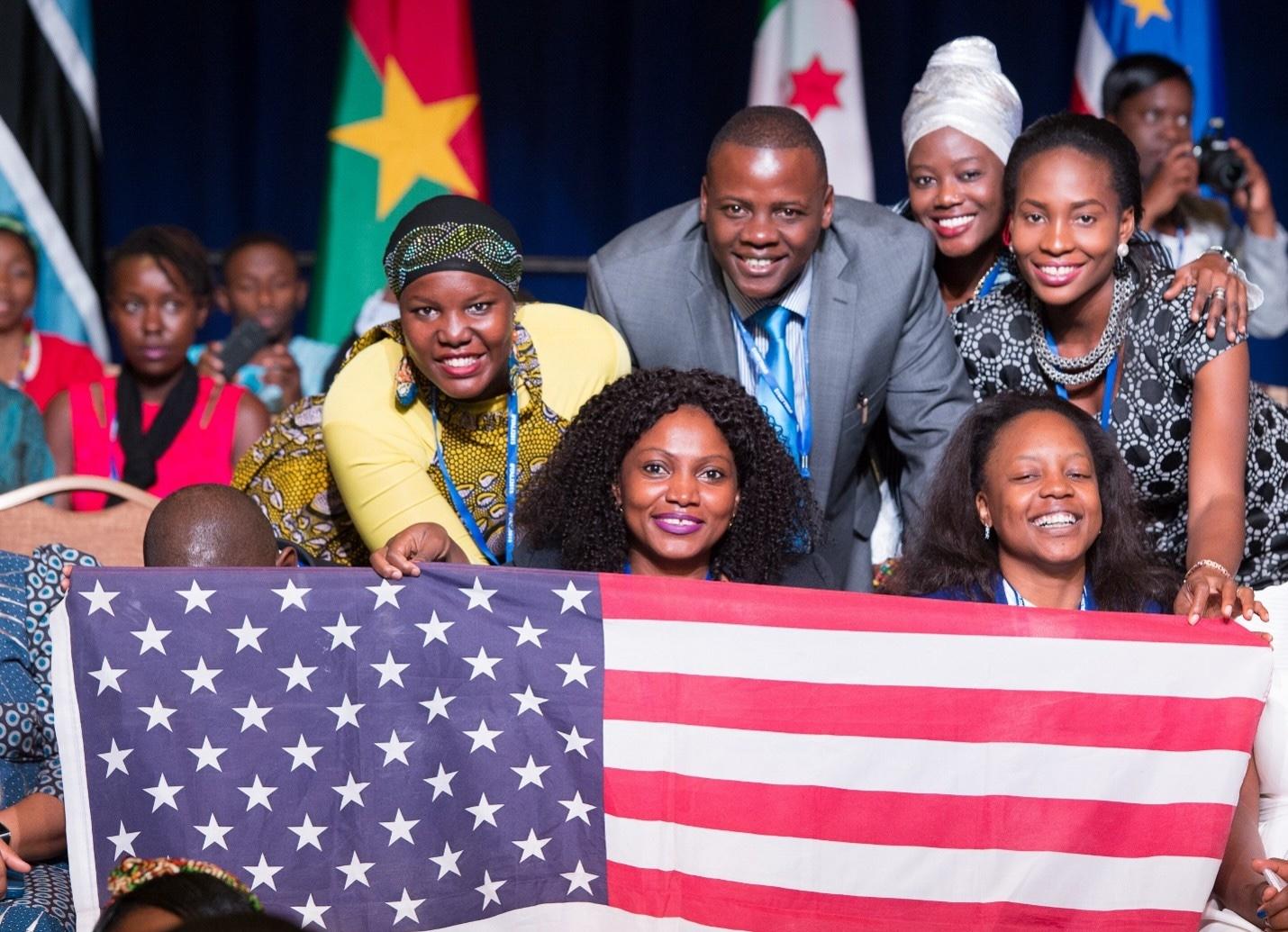
This is the flagship exchange of the U.S. Young African Leaders Initiative. In summer 2027 it will bring about 550 young African leaders to the United States for a six-week institute at an American college or university, focused on business and trade, emerging technologies, or governance and security.
Applicants should be 25–35 by the deadline, although exceptional 21–24 year olds may be considered. You must be a citizen and resident of an eligible sub-Saharan country such as Nigeria, speak English well, and qualify for a J-1 visa. The U.S. Government funds the programme.
How to apply: apply online through the Fellowship Portal by 13 October 2026. Semifinalists are interviewed in person at U.S. embassies.
Details checked against the official source on 10 Oct 2026. Always confirm dates and requirements on the official page before applying.
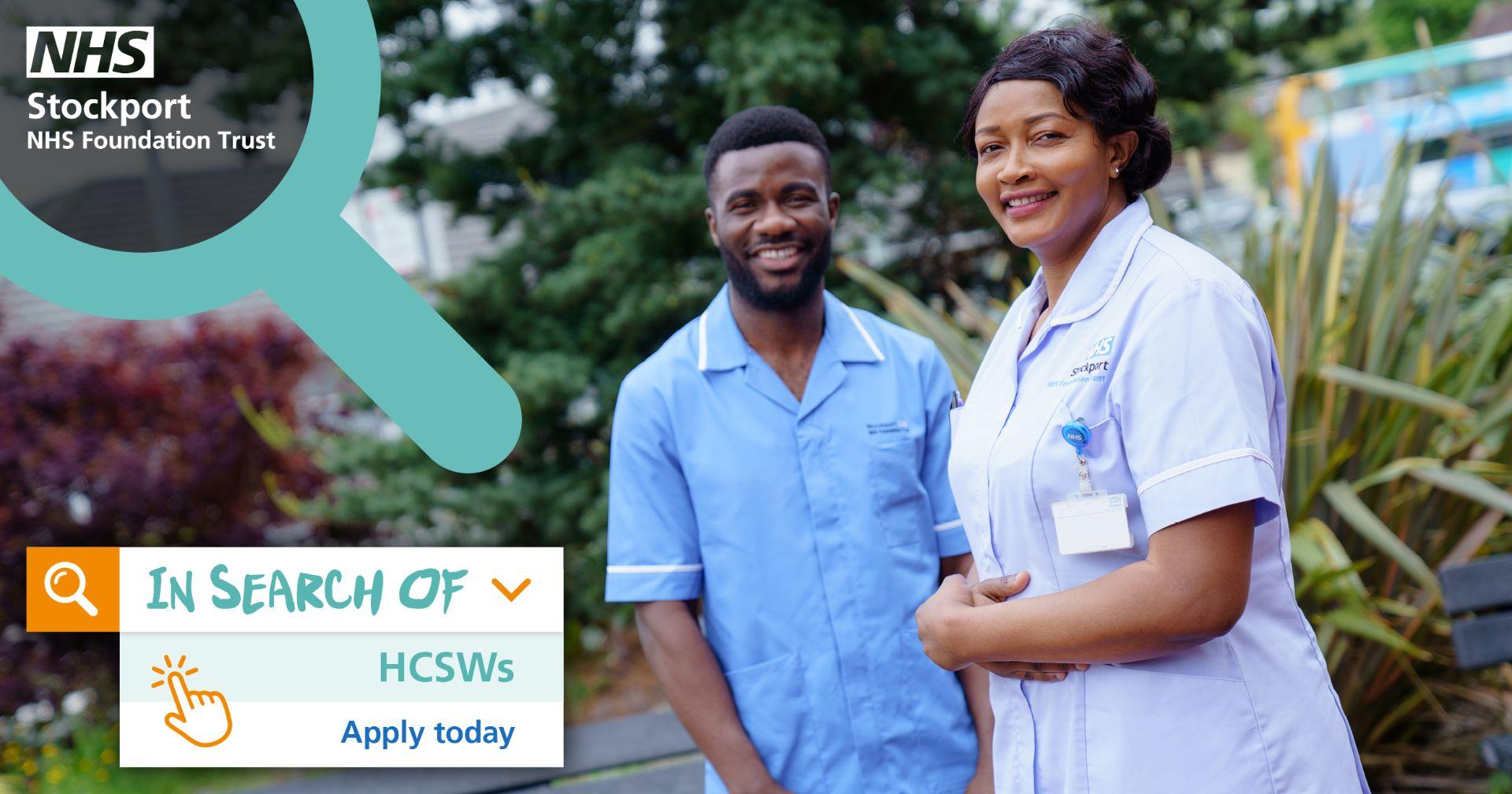
This is a permanent, full-time Band 5 staff nurse post (37.5 hours over 4 days) in the endoscopy unit at Stepping Hill Hospital in Stockport, England. It pays £32,073–£39,043 pro rata.
The trust welcomes applicants who need Skilled Worker sponsorship and considers them alongside everyone else. You must already be registered with the UK's Nursing and Midwifery Council (NMC). The trust does not pay relocation or OSCE fees. The role includes a 24-hour on-call rota, and endoscopy experience is desirable but not essential.
How to apply: apply through NHS Jobs before 21 October 2026.
Details checked against the official source on 10 Oct 2026. Always confirm dates and requirements on the official page before applying.
This UK work visa is for qualified health and social care professionals with a job offer and a certificate of sponsorship from the NHS, an NHS supplier or an approved adult social care employer. Eligible jobs are listed by occupation code and include nurses, midwives, doctors, therapists, pharmacists, radiographers and paramedics.
Pay must be at least £25,000 or the going rate for the job. For NHS roles, the national pay bands apply. Applicants do not pay the Immigration Health Surcharge, and the application fees are lower than for most work visas. You can settle after 5 years if you meet the requirements.
Note: care worker and senior care worker roles (codes 6135/6136) are no longer open to new applicants from overseas.
How to apply: get a confirmed job offer first, then apply online.
Details checked against the official source on 10 Oct 2026. Always confirm dates and requirements on the official page before applying.

A New Zealand residence visa for skilled workers with a skilled job or job offer from an accredited employer. The job must be full-time (at least 30 hours a week) and either permanent or of qualifying length.
You need 6 points. They can come from your qualifications, New Zealand occupational registration or income, and skilled work in New Zealand adds up to 3 more. You must also be 55 or younger, speak English, and meet the health and police-certificate requirements.
How to apply: submit a free Expression of Interest. If you are invited, you have 4 months to lodge the full application, which costs from NZD 6,450.
Details checked against the official source on 10 Oct 2026. Always confirm dates and requirements on the official page before applying.

A permanent residence visa for skilled workers who have no employer, state or family sponsor. You submit an Expression of Interest in SkillSelect, are ranked against other candidates, and can apply only if you are invited.
You need an occupation on the relevant skilled list, a suitable skills assessment, at least 65 points, at least competent English, and to be under 45 when invited. Visa holders can live and work anywhere in Australia permanently and can later apply for citizenship.
Cost: use the official Visa Pricing Estimator on the Home Affairs website.
Details checked against the official source on 10 Oct 2026. Always confirm dates and requirements on the official page before applying.

Germany's Opportunity Card lets non-EU nationals enter Germany to look for work without a job offer.
You qualify directly with a German or fully recognised qualification. Otherwise you need a state-recognised degree or a vocational qualification of at least two years, at least 6 points on the points system, and German at A1 or English at B2. Everyone must show they can support themselves, either with a blocked account of at least €1,091 per month (2026 figure) or a formal declaration of commitment.
How to apply: apply online through the Federal Foreign Office's Consular Services Portal and attend an appointment at the German mission. The visa fee is €75. Once you find a job in Germany, you switch to a work residence permit.
Details checked against the official source on 10 Oct 2026. Always confirm dates and requirements on the official page before applying.

This UK route is for people aged 18 or over who are leaders or emerging leaders in academia and research, arts and culture, or digital technology. You do not need a job offer or an employer sponsor.
Most applicants first need an endorsement from an approved body. Winners of a prize on the official eligible-prize list can skip that step. The visa lasts up to 5 years per grant and can be extended with no overall limit. Depending on your field and how you applied, you may be able to settle after 3 or 5 years.
Costs: £766 in total (£561 for the endorsement plus £205 for the visa), plus the Immigration Health Surcharge, usually £1,035 per year. Applications are made online, and decisions for applicants outside the UK usually take about 3 weeks.
Details checked against the official source on 10 Oct 2026. Always confirm dates and requirements on the official page before applying.

DAAD's EPOS programme pays for professionals from developing and newly industrialised countries, Nigeria included, to take selected development-focused master's and PhD courses at German universities.
You need a bachelor's degree with results in roughly the top third of your class and at least two years of relevant work experience. Scholars get a monthly stipend (about €992 for master's students, more for doctoral candidates), health and accident insurance, a travel allowance, and in some cases rent and family support. Funding lasts 12 to 42 months depending on the course.
How to apply: apply directly to up to three EPOS courses, listed in order of priority. Deadlines differ by course and are published in DAAD's 2027/28 EPOS deadline list.
Details checked against the official source on 10 Oct 2026. Always confirm dates and requirements on the official page before applying.
Erasmus Mundus Joint Masters are one- to two-year master's programmes run by groups of universities, so students study in at least two European countries. Anyone in the world can apply if they hold a bachelor's degree or will complete one before the programme starts.
The highest-ranked applicants get EU-funded scholarships that cover participation costs, travel, visa costs and a monthly living allowance. Not every programme offers scholarships every year.
How to apply: pick programmes from the Erasmus Mundus catalogue and apply directly to each consortium. Each sets its own requirements and deadline, and most deadlines fall between October and January for courses starting the following autumn.
Details checked against the official source on 10 Oct 2026. Always confirm dates and requirements on the official page before applying.

The UK's Commonwealth Scholarship Commission funds master's degrees for people from eligible Commonwealth countries, and Nigeria is on the list. You need at least an upper second-class (2:1) first degree or equivalent, must be unable to afford UK study without help, and must be able to start in September 2027.
The award covers full tuition, return flights, a monthly stipend of £1,712 (£2,000 in London), a study travel grant and a child allowance where relevant.
How to apply: you cannot apply to the Commission directly. Nigerians are nominated through the Federal Scholarship Board, which may set an earlier closing date, and then complete the CSC online application by 16:00 BST on 20 October 2026.
Details checked against the official source on 10 Oct 2026. Always confirm dates and requirements on the official page before applying.
Gates Cambridge pays the full cost of a postgraduate degree at the University of Cambridge for about 70 students a year from outside the UK. It covers PhDs, MLitts and most one-year master's courses. It does not cover undergraduate study, MBAs or other professional degrees.
The award covers university fees, a yearly living allowance (£23,152 at the 2026–27 rate), return flights, visa costs and the Immigration Health Surcharge.
How to apply: tick the Gates Cambridge box in your Cambridge graduate application and meet your course's deadline. Nigerian applicants are in the later (non-US) round, which closes on 8 December 2026 or 6 January 2027 depending on the course.
Details checked against the official source on 10 Oct 2026. Always confirm dates and requirements on the official page before applying.
Each year, thousands of talented professionals from around the world receive the opportunity to pursue a fully funded one-year master’s degree at leading UK universities. The Chevening Scholarship is the UK government’s flagship international scholarship program designed to support future global leaders.
The program aims to develop individuals with strong leadership potential and a commitment to creating positive change in their home countries.
One of the reasons Chevening is so prestigious is its comprehensive funding package. Scholars receive support for tuition fees, living expenses, travel costs, and other allowances, allowing them to focus entirely on their studies and leadership development.
What the Scholarship Covers
Tuition Fees
Chevening covers full university tuition fees for a one-year master’s program at a UK university.
This allows scholars to study at some of the world’s most respected institutions without financial burden.
Monthly Stipend
Scholars receive a monthly living allowance to cover daily expenses.
The stipend amount varies slightly depending on whether the scholar lives in London or outside London.
Travel Costs
The scholarship includes round-trip airfare from the scholar’s home country to the United Kingdom.
Visa Fees
The Chevening award covers the cost of the UK student visa application.
Arrival and Departure Allowances
Scholars receive:
Who Can Apply (Eligibility Requirements)
Citizenship
must be a citizen of a Chevening-eligible country or territory.
The scholarship is open to applicants from over 160 countries.
Academic Qualification
Work Experience
Work experience can include:
Leadership Potential
Must demonstrate leadership ability capacity in their professional field
Required Documents
Passport
Academic Transcripts
Degree Certificate
CV or Resume
- A detailed CV should include:
- Education history
- Work experience
- Leadership activities
Personal Essays
Chevening requires several essays that evaluate:
- Leadership experience
- Networking skills
- Career goals
- Study plans
These essays are extremely important.
Recommendation Letters
Applicants must submit two professional references from individuals who can speak about their leadership abilities and professional experience.
University Admission Offers
Applicants must obtain at least one unconditional offer from a UK university before final selection.
English Language Test (if required by school)
Some UK universities require English language test results such as:
However, Chevening itself does not always require a language test.
Step-by-Step Application Process
Check Eligibility: Ensure you meet the citizenship, academic qualification, and work experience requirements.
Choose Master’s Programs: Select three eligible one-year master’s programs at UK universities.
Prepare Documents: Gather required materials such as CV, academic transcripts, reference letters, and essays.
Create Application Account: Register on the Chevening online application portal.
Complete Application Form: Provide personal details, work experience, leadership essays, and university choices.
Upload Documents: Submit all required supporting documents through the portal.
Submit Application: Review and submit your application before the deadline.
Attend Interview: Shortlisted applicants are invited to an interview at the British embassy or high commission.
Application Timeline
| Stage | Time |
|---|---|
| Applications Open | 5 August 2025 |
| Application Deadline | 7 October 2025 |
| Eligibility Screening | From October 2025 |
| Application Review | Mid-October 2025 – January 2026 |
| Interview Shortlist Announced | Mid-February 2026 |
| Interviews | March – April 2026 |
| Final Results | From Mid-June 2026 |
| University Offer Deadline | 9 July 2026 |
| Studies Begin in UK | September / October 2026 |
Key Dates
- Applications open 5 August 2025 at 12:00 UTC.
- The application deadline is 7 October 2025 at 12:00 UTC.
- Shortlisted candidates are announced mid-February 2026.
- Interviews take place March–April 2026.
- Results are announced from mid-June 2026.
- Scholars must submit an unconditional UK university offer by 9 July 2026.
- Studies typically begin September or October 2026.